
Definition and Importance of Halal Food
Halal food, in Arabic “Halal” (حلال), means “permissible” or “lawful”. This concept not only applies to the food itself, but also the entire process of production, processing, transportation and storage. For Muslims, following Halal dietary guidelines is not only a religious obligation, but also seen as a way to maintain physical and spiritual health.
Permissible Foods (Halal):
- Seafood:
- Most fish
- Shrimp, crab, mollusks and other marine animals
- Poultry and Livestock:
- Chicken, duck, goose
- Cattle, sheep, camel
- Must be slaughtered according to Islamic law
- Plant-based Foods:
- Most fruits and vegetables
- Grains, legumes
- Nuts
- Dairy Products:
- Cow, goat and their derived products (e.g. cheese, yogurt)


Prohibited Foods (Haram):
- Pork and its derivatives:
- Pork meat, lard
- Foods containing pork-derived gelatin (e.g. some candies, jellies)
- Blood and blood products
- Alcohol and alcoholic beverages
- Carnivorous animals:
- Dogs, cats, lions and other wild predators
- Eagles, herons and other birds of prey
- Reptiles and amphibians:
- Snakes, lizards
- Frogs, toads
- Insects:
- Most insects, except locusts
- Seafood:
- Scaleless fish (e.g. eel, cod)
- Turtles, terrapins and certain other aquatic animals
Precautions:
- Avoid using products that may cause intoxication or narcotic effects.
- Meat from animals not slaughtered according to Islamic law
- Foods that have undergone invocation/dedication rituals, even if vegetarian
Halal Slaughtering Procedure (Zabiha)
The Halal slaughtering procedure is a critical step to ensure the meat is compliant with Islamic law:
- Slaughterer: Must be an adult, sane Muslim.
- Animal Condition: The animal to be slaughtered must be healthy and alive.
- Tool Requirements: Using a sharp knife to minimize animal suffering.
- Slaughtering Method:
- Swiftly cut the throat to sever the arteries, windpipe and gullet.
- Ensure complete bleeding out of the animal.
- Recitation of “Bismillah” (In the name of God) – This must be recited during slaughter.
- Facing Mecca: The animal should be positioned facing the direction of Mecca.

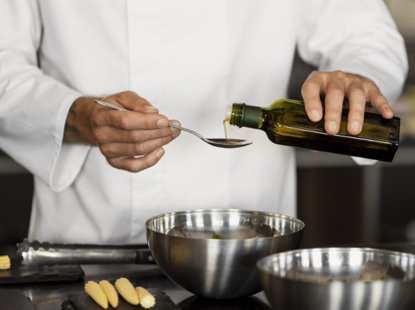
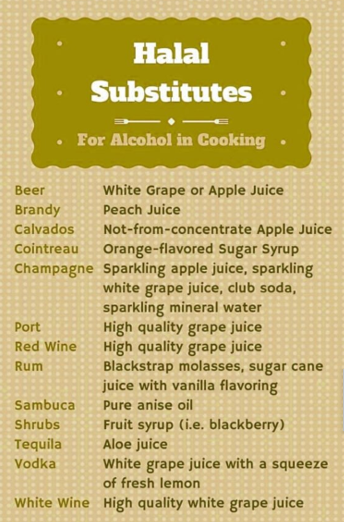
Regulations for Alcohol Use in Halal Food
General Principles:
- The use of any form of alcoholic beverages is prohibited in Halal food.
- Small amounts of naturally occurring alcohol in food (such as from fruit fermentation) are acceptable.
Alcohol Use in Food Processing:
- If alcohol is used as a solvent or processing aid, the alcohol content in the final product must not exceed 0.5%.
- Flavors extracted using alcohol must undergo special review.
Alternatives:
- The use of non-alcoholic alternatives is encouraged, such as vegetable glycerin or other Halal-certified solvents.
Labeling Requirements:
- If a product contains any form of alcohol, even in low quantities, it must be clearly indicated on the label.
Pharmaceuticals and Personal Care Products:
- The use of alcohol is allowed in these products, but special review and labeling are required.
Source: JAKIM (Department of Islamic Development Malaysia) – Manual Procedure for Malaysia Halal Certification (Third Revision) 2014