
The Importance of Safety and Cleanliness in Halal Food
1. Religious Requirements:
- Islamic teachings emphasize the cleanliness and purity of food.
- The Quran mentions consuming clean and lawful food multiple times.
- The term “Halal” itself encompasses the dual meanings of “permissible” and “pure.” Cleanliness and safety are fundamental requirements of Islamic law regarding food.
2. Health Considerations:
- The production process of halal food emphasizes hygiene and safety, helping to reduce the risk of foodborne diseases.
- The prohibition of certain ingredients (such as pork and blood) helps avoid specific health risks.
- The halal slaughtering method is believed to better drain blood from the animal, reducing bacterial growth.
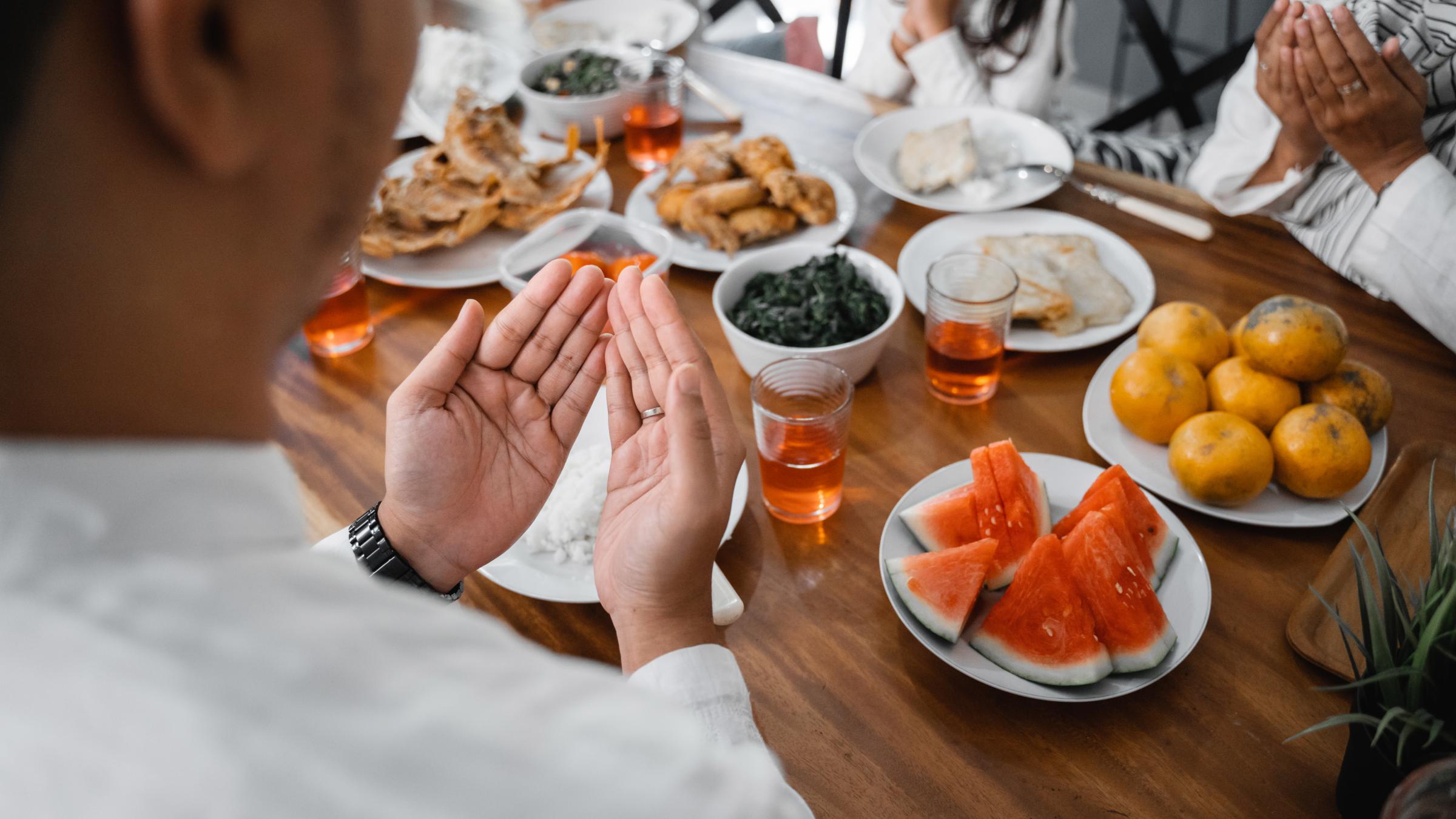
3. Brand Reputation:
- “Halal” has become a brand that represents quality and safety, appealing not only to Muslims but also to non-Muslim consumers.
- In a context where food safety issues are prevalent, the good reputation of halal food is especially important.
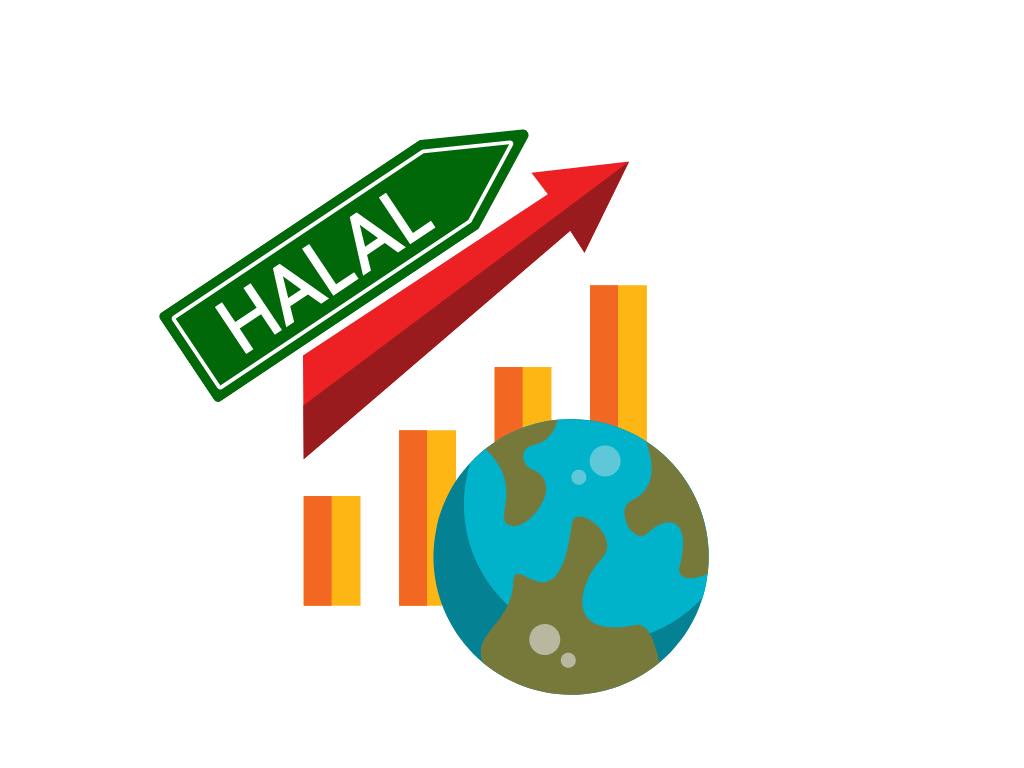
4. Market Demand:
- The growth of the global Muslim population drives the demand for safe and clean halal food.
- Non-Muslim consumers are increasingly recognizing the quality and safety of halal products.
5. Regulatory Requirements:
- Many countries combine halal certification with food safety standards, requiring halal food to meet strict hygiene and safety criteria.
- The halal certification process includes comprehensive inspections of the production environment, sources of raw materials, and processing methods, helping to enhance overall food safety.
6. Cultural Exchange:
- The safety and cleanliness of halal food contribute to a greater understanding and respect for Islamic culture among non-Muslims.
- It provides a common dietary standard for individuals from different cultural backgrounds.

7. Industry Development:
- Emphasizing safety and cleanliness supports the long-term sustainable development of the halal food industry.
- Raising standards can enhance the competitiveness of halal food in the international market.