
Food Safety of Halal Certificate
1. Cleanliness Requirements
- Strict Standards: Halal certification requires that the production environment and processes maintain a high level of cleanliness.
- Specific Measures:
- Regular cleaning and disinfection of production equipment.
- Employees must adhere to strict personal hygiene standards.
- Measures to prevent cross-contamination, such as handling different types of ingredients separately.
- Safety Impact: These measures help reduce the risk of bacterial contamination and foodborne illnesses.

2. Raw Material Control
- Strict Screening: Halal certification has strict regulations regarding the sources of raw materials.
- Prohibited Items:
- Pork and its derivatives.
- Meat from animals not slaughtered according to Islamic law.
- Alcohol and its derivatives.
- Safety Impact:
- Reduces the risk of certain zoonotic diseases.
- Avoids food safety issues related to alcohol.
3. Production Process Regulation
- Comprehensive Supervision: Halal certification bodies conduct thorough oversight of the production process.
- Regulatory Content:
- Raw material procurement and storage.
- Production processes.
- Packaging and transportation.
- Safety Impact:
- Timely identification and correction of safety hazards in production.
- Ensures the entire production chain meets safety standards.
4. Religious and Ethical Constraints
- Integrity Principle: Islamic teachings emphasize honesty and integrity.
- Practical Impact:
- Producers may be more inclined to comply with food safety regulations.
- Reduces the likelihood of intentionally adding harmful substances or using substandard materials.
- Limitations: This influence is difficult to quantify and cannot be entirely relied upon.

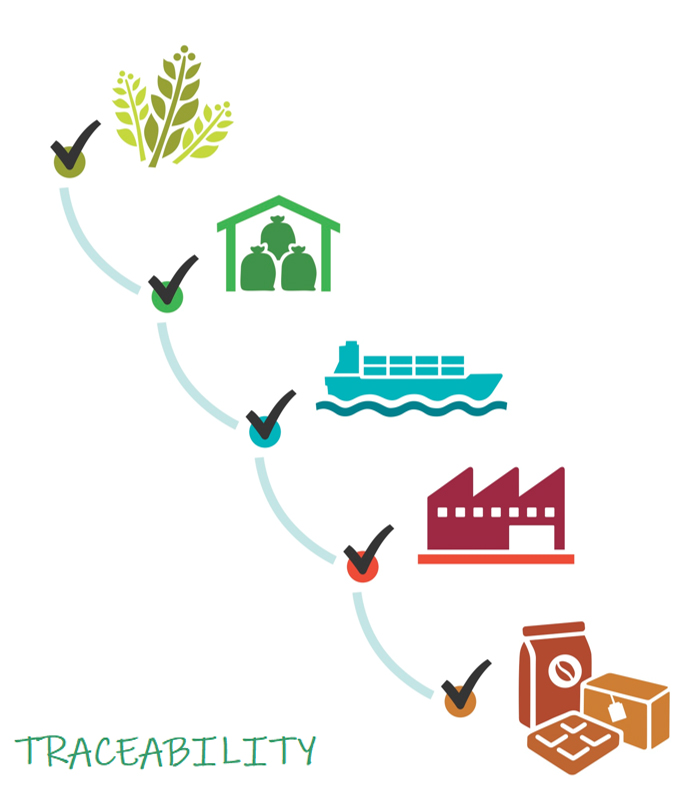
5. Traceability System
- Requirements: Halal certification mandates the establishment of a solid food traceability system.
- System Content:
- Records of raw material sources.
- Management of production batches.
- Tracking of product movement.
- Safety Impact:
- Quick identification of problematic products.
- Effective recalls.
- Improved efficiency in food safety management.
6. Limitations
- Non-specialized Safety Certification: Halal certification primarily focuses on religious compliance and is not equivalent to food safety certification.
- Standard Variations: Halal certification standards may vary across different countries and organizations.
- Implementation Issues: The actual effectiveness of certification may differ by region and organization.
7. Relationship with Other Food Safety Systems
- Complementary Role: Halal certification is often used in conjunction with other food safety management systems (such as HACCP, ISO 22000).
- Synergistic Effects: Combining these systems can provide a more comprehensive approach to food safety.
8. Future Developments
- Standardization: Efforts are underway internationally to unify halal certification standards, which may further enhance its role in ensuring food safety.
- Technological Applications: The introduction of new technologies (such as blockchain) could strengthen traceability systems and regulatory effectiveness.